

Springboro & Dayton Periodontal Services
Periodontics is a specialized branch of dentistry focused on preventing, diagnosing, and treating periodontal disease, as well as replacing teeth with dental implants. Our periodontists receive up to three years of additional, specialized training beyond dental school.
- Dental Implants
- Gum Grafting
- Scaling and Root Planing
- Crown Lengthening
- Periodontal Disease Treatment
Meet Our Periodontists
Our periodontists are specialists in treating oral inflammation and any condition requiring non-surgical treatment or oral plastic surgery. Oftentimes, they’re treating conditions caused by periodontal disease and its effects, such as persistent bad breath or gum recession.
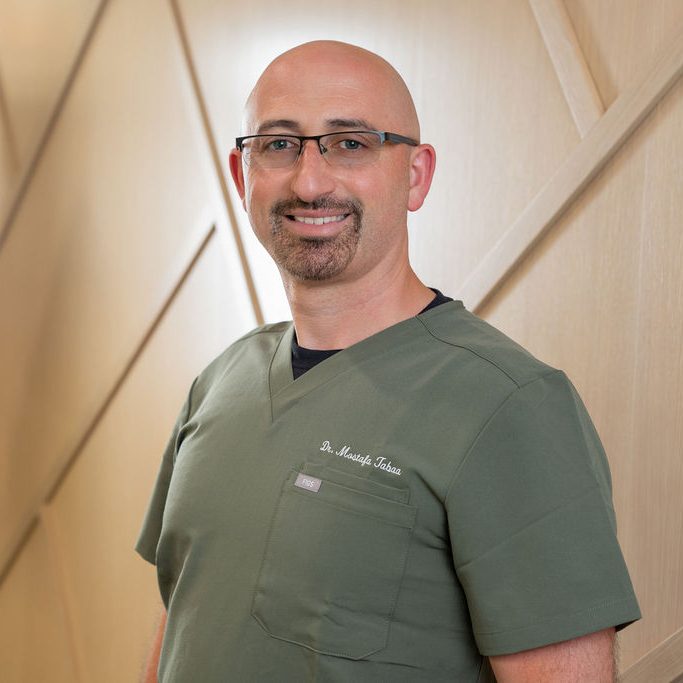

Whether you’re dealing with early gum disease or need a more advanced procedure like gum grafting or dental implants, Dr. Tabaa and Dr. Masoud will work with you to build a personalized treatment plan.
Periodontal Services: Frequently Asked Questions
What does a periodontist treat?
Periodontists diagnose and treat gum disease, gum recession, and other conditions affecting the tissue and bone that support your teeth, and they also place dental implants.
Do I need a referral to see a periodontist?
Many patients are referred by their general dentist, but you can also contact our office directly to schedule with Dr. Tabaa or Dr. Masoud.
What are the signs I might need periodontal treatment?
Persistent bad breath, bleeding or swollen gums, gum recession, and loose teeth can all signal the need for periodontal evaluation.
Is periodontal disease reversible?
Early-stage gum disease (gingivitis) is often reversible with proper treatment and improved oral hygiene, while more advanced periodontal disease requires ongoing management.
How often should I see a periodontist if I have gum disease?
Your periodontist will recommend a maintenance schedule based on the severity of your condition, often more frequent than a standard six-month cleaning.
Can periodontal treatment help with dental implants?
Yes, periodontists often place and monitor dental implants, since healthy gum and bone tissue are essential for long-term implant success.


